
Honda Civic Engine Performance and Maintenance Essentials
The Honda Civic has earned a global reputation for reliability, efficiency, and engineering consistency. Across generations, the Civic has remained a benchmark in the compact car segment, largely due to its dependable engine designs and thoughtful integration of performance and economy. Understanding how Honda Civic engines work, how they age, and how to maintain them properly is essential for owners who want long-term value and trouble-free driving. This guide explores Honda Civic engine technology, performance behavior, reliability patterns, and ownership considerations in depth.
Honda Civic engines are known for their ability to deliver stable performance over extended mileage with relatively low maintenance costs. However, longevity is not accidental. It is the result of precise engineering, disciplined servicing, and early attention to minor changes in engine behavior.
Honda’s Engineering Approach in the Civic Platform
Honda’s engine design philosophy emphasizes efficiency through precision. Rather than relying on excessive displacement or aggressive tuning, Honda focuses on optimized combustion, lightweight components, and tight manufacturing tolerances. Civic engines are designed to operate smoothly at higher engine speeds without excessive wear, a trait that distinguishes them from many competitors.
This approach allows Honda Civic engines to balance fuel economy and responsiveness effectively. The use of aluminum blocks, refined valvetrain geometry, and efficient cooling passages supports consistent thermal control. These engineering choices contribute directly to the Civic’s reputation for long service life and mechanical stability.
Common Honda Civic Engine Types and Characteristics
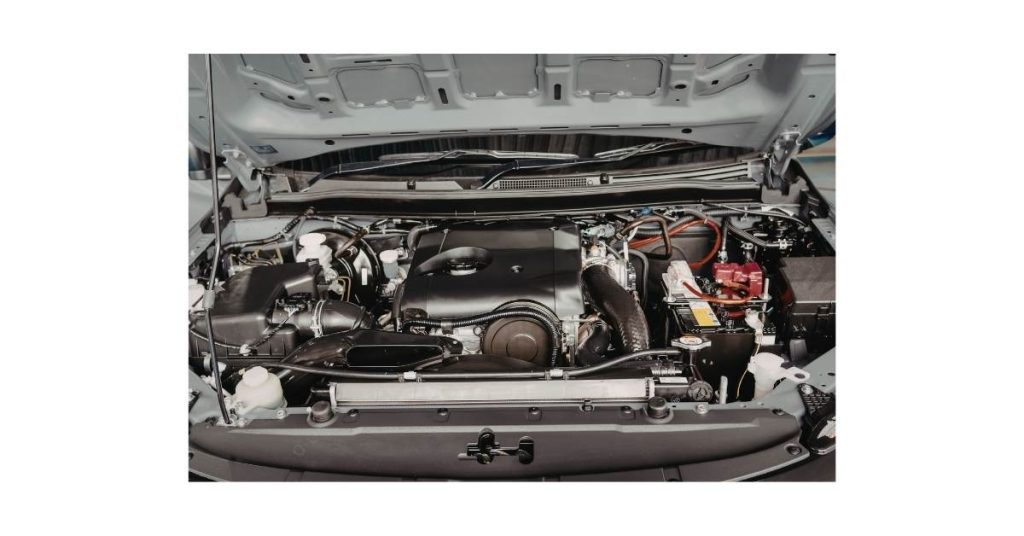
Over the years, the Honda Civic has featured a variety of engine configurations, including naturally aspirated inline-four engines and modern turbocharged variants. Earlier generations focused heavily on simplicity and mechanical reliability, while newer models integrate advanced fuel injection and forced induction to meet efficiency and emissions requirements.
Naturally aspirated Civic engines are often praised for their linear power delivery and low maintenance demands. Turbocharged Civic engines, introduced to enhance performance without sacrificing fuel efficiency, offer increased torque at lower RPMs. Each engine type has distinct maintenance needs, but both benefit from Honda’s emphasis on balanced design.
Performance Behavior in Daily Driving
Honda Civic engines are tuned for smooth, predictable performance rather than aggressive output. Acceleration is progressive, making the Civic easy to drive in both city traffic and highway conditions. This tuning strategy reduces stress on internal components and contributes to consistent long-term operation.
The Civic’s engine and transmission pairing is also a key factor in its drivability. Whether equipped with a manual, automatic, or continuously variable transmission, the engine operates within an efficient range that minimizes unnecessary strain. This synergy supports both fuel economy and mechanical longevity.
Reliability Trends Across Civic Generations
Reliability is one of the strongest selling points of the Honda Civic. Many Civic engines are known to exceed high mileage thresholds with minimal internal repairs when maintained correctly. Routine oil changes, cooling system care, and timely replacement of wear components play a crucial role in achieving this longevity.
That said, certain Civic engines have known tendencies, such as oil consumption in high-mileage units or carbon buildup in direct-injection systems. Awareness of these patterns allows owners to take preventive measures early. Reliability is maximized when maintenance decisions are informed by real-world engine behavior rather than assumptions.
The Role of Engine Oil in Civic Longevity
Engine oil is especially important in Honda Civic engines due to their tight tolerances and high-revving nature. Proper lubrication ensures that moving components operate smoothly and that heat is managed effectively. Using the correct oil grade specified by Honda is critical for maintaining internal cleanliness and preventing premature wear.
Oil condition can also reveal valuable information about engine health. Changes in viscosity, contamination, or metal content may indicate developing issues long before performance is affected. Treating oil analysis as a diagnostic tool rather than a routine chore adds an extra layer of protection for the engine.
Cooling Efficiency and Thermal Stability
Thermal stability is essential for maintaining Civic engine reliability. Honda designs cooling systems to maintain consistent operating temperatures across varying conditions. Overheating, even briefly, can accelerate wear and compromise seals and gaskets.
Regular inspection of coolant levels, radiator condition, and cooling fans helps preserve thermal balance. Engines that operate within their intended temperature range experience less internal stress, which directly supports longer service life and stable performance characteristics.
Identifying Early Performance Changes
Honda Civic engines often show subtle signs when issues begin to develop. Slight vibrations, reduced fuel efficiency, delayed throttle response, or unusual sounds should not be ignored. Modern engine management systems may compensate temporarily, masking problems until they become more serious.
Evaluating performance trends over time provides a clearer understanding of engine condition. Rather than reacting to warning lights alone, informed owners monitor how the engine behaves under normal driving conditions. Early intervention is almost always more cost-effective than delayed repairs.
Maintenance Planning Based on Real Usage
Maintenance schedules for the Honda Civic should reflect actual driving habits rather than generic intervals. Frequent short trips, stop-and-go traffic, or extreme temperatures place different demands on the engine compared to steady highway driving.
Adjusting oil change intervals, inspection frequency, and component replacement timing based on usage improves reliability outcomes. Resources such as detailed Civic-specific insights available through Engine Auditor help owners understand common patterns and tailor maintenance strategies accordingly.
Ownership Costs and Long-Term Value
One of the Civic’s greatest strengths is its low cost of ownership. Engine parts are widely available, and most technicians are familiar with Honda powertrains. This accessibility keeps repair costs manageable and reduces downtime.
When maintained properly, Civic engines retain strong resale value. Buyers often prioritize engine reliability when evaluating used vehicles, and a well-documented maintenance history enhances confidence. Long-term value is closely tied to engine condition, making proactive care a worthwhile investment.
Evaluating a Used Honda Civic Engine
When considering a used Honda Civic, engine evaluation is a critical step. A smooth test drive does not guarantee internal health. Reviewing service records, listening for abnormal noises, and checking for consistent performance provide initial indicators.
More thorough assessments include oil condition checks and performance trend analysis. These methods reveal internal wear patterns that are not visible externally. Buyers who prioritize engine evaluation reduce the risk of unexpected expenses after purchase.
Technology and Data in Modern Civic Engines
Modern Honda Civic engines rely heavily on electronic management systems. Sensors continuously monitor airflow, fuel delivery, and combustion efficiency. Interpreting this data correctly allows for precise diagnostics and targeted maintenance.
Data-driven resources like Engine Auditor support owners and technicians by consolidating technical information and real-world trends. This structured insight enables smarter decisions and reduces reliance on trial-and-error repairs.
Modifications and Their Impact on Engine Health
Some Civic owners explore performance modifications, particularly in turbocharged models. While Honda engines can handle moderate enhancements, increased power output introduces additional stress on internal components and cooling systems.
Evaluating engine condition before modifying is essential. Supporting upgrades and careful tuning help maintain reliability. Responsible modification practices balance performance improvements with long-term durability, preserving the Civic’s core strengths.
Environmental Efficiency and Emissions Performance
Honda Civic engines are designed to meet strict emissions standards while delivering excellent fuel efficiency. Proper engine operation is essential for emissions systems to function correctly. Neglected maintenance can lead to increased emissions and reduced efficiency.
Engines that run efficiently consume less fuel and produce fewer pollutants. Maintaining optimal engine health benefits both the owner and the environment, reinforcing the Civic’s reputation as a practical and responsible vehicle choice.
Building Confidence Through Knowledge and Care
Long-term confidence in Honda Civic ownership comes from understanding how the engine operates and how to care for it effectively. Knowledge empowers owners to recognize early warning signs, plan maintenance intelligently, and avoid unnecessary repairs.
With disciplined servicing, informed diagnostics, and realistic expectations, Honda Civic engines can deliver dependable performance for many years. Their enduring popularity is a direct result of engineering precision paired with owner awareness and proactive care.