
Exhaust Brands That Define Performance, Durability, and Trust
Exhaust brands play a crucial role in determining how a vehicle performs, sounds, and ages over time. Choosing the right exhaust brand is not just about horsepower gains or aggressive sound profiles, but also about engineering quality, material standards, fitment accuracy, and long-term reliability. In today’s aftermarket and OEM landscape, exhaust brands vary widely in philosophy, pricing, and target audience. Understanding how reputable exhaust brands differentiate themselves helps vehicle owners make informed decisions that balance performance goals with durability and everyday drivability.
What Defines a High-Quality Exhaust Brand
A strong exhaust brand is built on consistent engineering standards, precise manufacturing, and proven real-world performance. Quality exhaust brands invest heavily in research, testing airflow dynamics, thermal expansion, and acoustic tuning. They focus on mandrel-bent piping, high-grade stainless steel, and durable welds to ensure longevity. Brand reputation often comes from years of reliability rather than aggressive marketing, making long-standing exhaust brands more trusted among professionals and enthusiasts alike.
OEM vs Aftermarket Exhaust Brands
OEM exhaust brands prioritize emissions compliance, noise control, and long service life. They are designed to meet regulatory requirements while providing acceptable performance for daily driving. Aftermarket exhaust brands, on the other hand, often focus on improving exhaust flow, reducing weight, and enhancing sound. Some aftermarket brands maintain OEM-level refinement, while others target high-performance or motorsport applications. Understanding whether an exhaust brand aligns with OEM comfort or aftermarket performance expectations is essential before purchasing.
Materials Used by Leading Exhaust Brands
Top exhaust brands differentiate themselves through material selection. T304 stainless steel is widely used by premium exhaust brands due to its corrosion resistance and strength under high heat. Budget-focused brands may use T409 stainless steel, which is durable but more prone to surface oxidation. Titanium exhaust systems are offered by high-end brands for weight reduction and performance applications. Material choice directly affects lifespan, appearance, and price, making it a core factor when evaluating exhaust brands.
Engineering and Sound Tuning Philosophy
Exhaust sound is one of the most defining characteristics of any exhaust brand. Some brands engineer their systems for refined, low-drone tones suitable for daily driving. Others tune for aggressive, high-volume output favored in performance builds. Advanced exhaust brands use resonators, muffler packing technology, and internal chamber design to control frequencies. Brands that invest in sound engineering offer consistent results across different engines rather than unpredictable noise levels.
Fitment Accuracy and Vehicle-Specific Design
Reputable exhaust brands develop vehicle-specific systems rather than universal solutions. Precise fitment reduces installation issues, exhaust leaks, and rattling. High-quality brands test systems on actual vehicles to ensure clearance with suspension components, heat shields, and body panels. Poor fitment is often a sign of low-tier exhaust brands that prioritize volume over engineering. Accurate fitment reflects a brand’s commitment to quality and customer satisfaction.
Performance Gains and Realistic Expectations
While exhaust brands often advertise horsepower gains, realistic improvements depend on the vehicle and system design. Well-engineered exhaust brands focus on improving exhaust flow efficiency rather than exaggerating power claims. Gains are typically modest on stock engines but become more noticeable when paired with intake upgrades or tuning. Brands that provide dyno-tested data and transparent performance metrics tend to be more trustworthy than those relying solely on marketing language.
Exhaust Brands and Emissions Compliance
Emissions compliance is a critical factor when choosing an exhaust brand. Reputable brands ensure their systems meet regional regulations, including catalytic converter compatibility and noise limits. Some exhaust brands specialize in street-legal systems, while others focus on off-road or track-only applications. Understanding a brand’s compliance stance prevents legal issues and ensures long-term usability. Brands that clearly label their systems demonstrate professionalism and accountability.
Budget vs Premium Exhaust Brands
Budget exhaust brands appeal to cost-conscious buyers seeking basic sound enhancement or cosmetic improvement. While some budget brands offer acceptable quality, others compromise on materials and weld integrity. Premium exhaust brands justify higher prices through superior materials, engineering, and customer support. Investing in a premium brand often reduces long-term costs by avoiding premature corrosion or replacement. The choice depends on ownership goals and expected vehicle lifespan.
Customer Support and Warranty Standards
Exhaust brands with strong reputations back their products with solid warranties and responsive customer service. Lifetime or extended warranties signal confidence in materials and manufacturing. Brands that offer replacement parts, installation support, and clear documentation provide better ownership experiences. Weak warranty coverage or limited support often indicates lower manufacturing confidence. Customer service quality is an often-overlooked but critical aspect of evaluating exhaust brands.
Brand Reputation and Industry Trust
Reputation within the automotive community matters. Exhaust brands trusted by professional installers, tuners, and racing teams typically earn that trust through consistent results. Online reviews, long-term ownership feedback, and industry partnerships help reveal which exhaust brands stand the test of time. Brands that prioritize quality over rapid expansion tend to maintain stronger reputations across different vehicle platforms.
Global vs Regional Exhaust Brands
Some exhaust brands operate globally, offering systems for a wide range of vehicles across markets. These brands often have extensive R&D resources and standardized quality control. Regional exhaust brands may specialize in specific vehicle segments or driving conditions, such as trucks, European cars, or Japanese performance vehicles. Regional specialization can result in highly optimized designs, especially when brands deeply understand their target market.
Installation Experience Across Brands
Installation quality varies significantly between exhaust brands. Premium brands design bolt-on systems that align with factory mounting points, reducing labor time. Lower-tier brands may require cutting, welding, or modification. Ease of installation reflects how much effort a brand puts into engineering rather than leaving challenges to installers. A smooth installation process enhances overall satisfaction with the exhaust brand.
Longevity and Long-Term Ownership
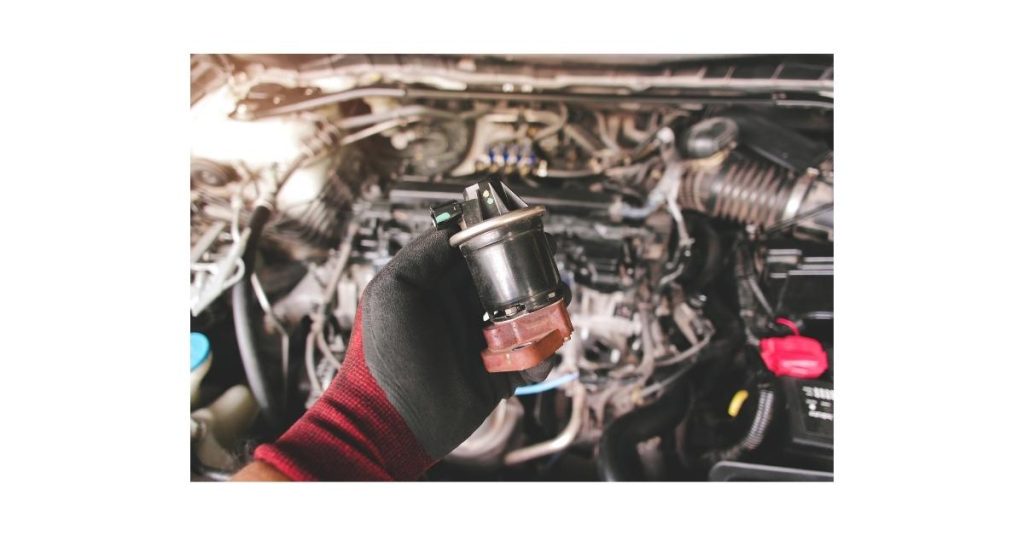
Exhaust systems are exposed to extreme heat, moisture, and road debris. Exhaust brands that prioritize corrosion resistance and thermal durability provide longer service life. Cheaper systems may look appealing initially but degrade faster, leading to leaks or rattles. Evaluating how exhaust brands perform over years rather than months helps prevent repeated replacements and unnecessary expenses.
Innovation and Technology Adoption
Leading exhaust brands continuously innovate by adopting new manufacturing techniques, materials, and acoustic technologies. Valved exhaust systems, modular designs, and weight-optimized layouts are examples of innovation-driven branding. Brands that adapt to modern vehicles, including turbocharged and hybrid platforms, demonstrate long-term relevance. Innovation separates enduring exhaust brands from those that quickly fade.
Choosing the Right Exhaust Brand for Your Needs
Selecting an exhaust brand requires aligning personal priorities with brand strengths. Daily drivers benefit from brands emphasizing low drone and durability. Performance builds require brands with proven flow efficiency and sound control. Show vehicles may prioritize aesthetics and finish quality. Understanding what each exhaust brand specializes in ensures the system meets both functional and emotional expectations.
Learning From Exhaust-Focused Brand Resources
Dedicated automotive platforms that analyze and compare exhaust brands help consumers navigate the crowded market. In-depth breakdowns of brand philosophies, materials, and real-world performance can be found through resources like Exhaust Brands, which focus on exhaust-specific education rather than generic product listings. Such resources help buyers move beyond marketing claims.
Exhaust Brands and Vehicle Resale Impact
Well-known exhaust brands can positively influence resale value by signaling quality modifications. Buyers are more comfortable with recognized brands that maintain compliance and reliability. Unknown or poorly installed systems from questionable brands may reduce buyer confidence. Choosing established exhaust brands helps preserve vehicle value while allowing personalization.
Final Perspective on Exhaust Brands
Exhaust brands represent far more than logos or sound clips. They embody engineering choices, material standards, and long-term ownership philosophies. Understanding how exhaust brands differ in quality, compliance, innovation, and support allows vehicle owners to invest wisely. For ongoing comparisons, expert insights, and brand-focused analysis, platforms like Exhaust Brands provide valuable guidance for navigating the exhaust market with confidence.