Roofing Service Companies Delivering Quality, Durability, and Long-Term Value
Roofing service has become an essential component of modern property development and maintenance in the United Kingdom. Whether for residential refurbishment, commercial construction, or industrial upgrades, property owners increasingly seek durable roofing solutions that stand up to unpredictable weather, long-term wear, and energy efficiency concerns. In this detailed analysis, we will explore what defines a high-quality roofing service, how property owners can evaluate trustworthy providers, and why professional craftsmanship matters for long-term structural stability. The modern roofing sector is both competitive and specialized, offering diverse solutions such as pitched roofing, flat roofing, gutter systems, insulation upgrades, emergency repairs, maintenance contracts, and architectural enhancements tailored to client needs. As demand grows, understanding the landscape of roofing expertise is essential for property owners striving to maximize value.
Factors That Determine the Quality of a Roofing Service
A roofing project does not simply involve installing tiles or membranes. The quality of a roofing service depends on a combination of material selection, structural assessment, environmental adaptation, energy performance, and skilled installation. For example, technical evaluation is required to ensure weight distribution meets building standards, waterproofing layers are correctly applied, and drainage systems are efficiently integrated to prevent water accumulation. Professional providers conduct pre-installation surveys to examine existing structures, weather exposure, potential insulation improvements, and compliance with building regulations. These assessments help determine whether a full replacement or targeted repair will be most cost-effective. High-quality roofing service companies also provide transparent documentation, warranty terms, maintenance guidance, and emergency support strategies that demonstrate long-term commitment to clients.
Material Selection and Structural Compatibility in Roofing Service Projects
The UK climate demands materials that can handle rain, wind, and seasonal temperature shifts. Popular materials include clay tiles, concrete tiles, slate, asphalt shingles, metal roofing panels, rubber membranes for flat roofs, and modern synthetic solutions designed to increase longevity. Structural compatibility plays a significant role, as heavier materials like concrete tiles require a strong substructure capable of supporting additional weight. In contrast, lightweight materials such as metal panels or single-ply membranes offer faster installation and reduced load strain. The ideal roofing service provider will discuss these options and help clients select materials based on architectural style, energy efficiency goals, structural condition, and long-term cost analyses. This level of consultation prevents mismatches that could compromise safety or reduce property value. Professional roofing consultants also understand localized building codes that influence ventilation, fire ratings, insulation thickness, and drainage requirements.
Environmental and Energy Efficiency Considerations in Roofing Solutions
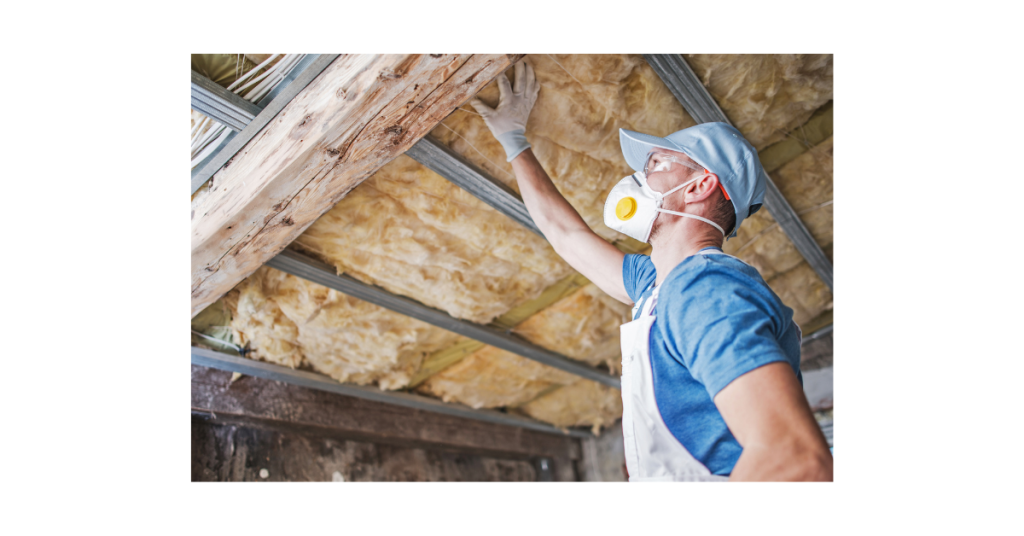
Energy efficiency is increasingly important for homeowners and commercial developers seeking to reduce heat loss and improve sustainability. Roofing insulation upgrades, reflective membranes, ventilation systems, and solar-ready designs are now common additions to modern roofing service offerings. For example, installing energy-efficient membranes or underlays reduces heat transfer through the roof, making indoor environments more comfortable year-round. Ventilation systems prevent moisture buildup that could lead to mold, wood rot, or corrosion. Meanwhile, solar-ready mounting solutions allow properties to integrate photovoltaic panels without compromising structural safety. Many roofing service firms now provide environmental assessments and offer solutions compliant with government energy efficiency programs. As sustainability regulations evolve, professional roofing guidance is crucial to maintaining compliance and reducing long-term operational costs.
Repairs, Refurbishments, and Emergency Roofing Service Requirements
Not every roofing project involves new installations. Many clients require targeted repairs or refurbishment to address leaks, damaged tiles, failing flat membranes, or deteriorating guttering systems. Emergency response services are particularly valuable following storms, falling tree incidents, or structural failures that risk wider building damage. A credible roofing service provider will perform damage assessments, locate the origin of leaks, identify underlying substructure issues, and provide temporary protections such as tarping before executing permanent repairs. Property owners should look for companies that offer rapid-response repair units and documented inspection reports. This approach not only resolves immediate risks but also supports insurance claims and future maintenance planning. Repair specialists also recommend protective coatings, membrane replacements, gutter realignment, and ventilation adjustments to extend roof lifespan without the cost of complete replacement.
Flat Roofing Service Trends in Modern Construction
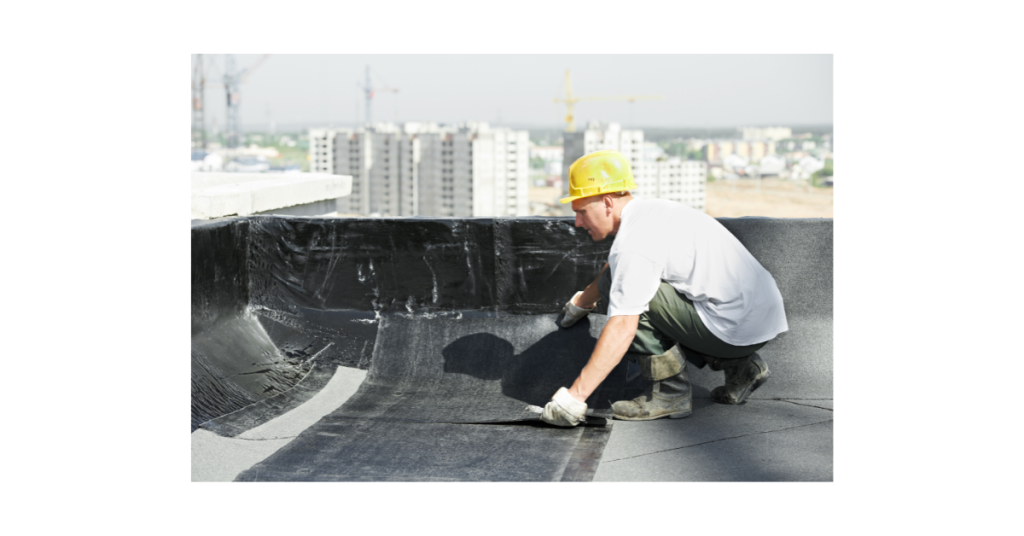
Flat roofs are popular in commercial and industrial settings due to their cost efficiency, space optimization, and suitability for HVAC equipment or solar installations. Residential architecture also adopts flat roofs for modern stylistic reasons. Popular flat roofing materials include EPDM rubber membranes, TPO thermoplastic membranes, PVC solutions, bitumen felt layers, and liquid-applied waterproof coatings. A competent flat roofing service provider understands seam welding, drainage slope calculations, and ultraviolet protection to ensure durability. Poorly installed flat roofs can develop ponding water, seam tears, membrane shrinkage, or blistering due to trapped moisture. To avoid these issues, contractors use vapor barriers, tapered insulation panels for water flow, and high-quality flashing systems around edges and protrusions. With proper installation and scheduled maintenance, flat roofs can last several decades while contributing to energy savings.
Pitched Roofing Service Considerations for Older and Newer Structures
Pitched roofing remains the most common style in UK residential architecture. Steep or moderate slopes provide natural water runoff and excellent ventilation opportunities. Materials like slate and clay tiles are valued for longevity, while concrete tiles offer affordability and versatility. A reliable pitched roofing service provider inspects rafters, battens, felt layers, ventilation gaps, flashing details, and ridge tiles to ensure watertight integrity. Restoration of older slate roofs requires specialized craftsmanship, as repointing, slate replacement, and structural reinforcement may be necessary to preserve building heritage. Many modern homeowners opt for mixed-material pitched roofs combining traditional tiles with modern breathable membranes that improve moisture control. Skilled pitched roofing work significantly enhances kerb appeal and market value, making it a favorable investment for property renovations.
Roofing Service Maintenance and Lifecycle Planning for Property Owners
Scheduled maintenance is essential for preserving roof integrity over its expected lifespan. Professional maintenance agreements typically include gutter clearing, flashing inspections, membrane testing, leak tracing, pressure washing for moss removal, and assessment of insulation performance. Rooftop moss and debris can trap moisture and damage tiles, while blocked gutters contribute to damp walls or foundation damage. A proactive maintenance plan allows roofing service providers to detect small issues before they escalate into costly repairs or replacements. Lifecycle planning also includes evaluating when materials are approaching end-of-life and advising owners on budgeting for replacements. By managing lifecycle expectations, property owners avoid unexpected structural compromise and maintain building safety and comfort.
Understanding Pricing Structures for Roofing Service Contracts
Roofing pricing varies based on material type, roof size, labor intensity, accessibility, structural repairs, waste disposal costs, and safety compliance. Flat roofs generally use per-square-meter pricing, while pitched roofs may incorporate tile counts, scaffolding requirements, and ridge detailing. Property owners benefit from itemized quotes that break down labor, materials, protective equipment, and warranty terms. Transparent pricing reflects industry professionalism and helps clients compare service packages fairly. Some roofing service contractors offer flexible financing options, staged payment schedules, or extended warranties as competitive incentives. Warranties are particularly important, as they cover defects in materials or workmanship and contribute to long-term peace of mind. Clients should verify accreditation, insurance, and references before contracting major roofing work to ensure accountability and quality assurance.
Why Hiring a Certified Roofing Service Provider Matters
Certification indicates adherence to safety standards, regulatory compliance, and proven workmanship. Reputable roofing contractors maintain insurance coverage, comply with building regulations, and employ trained installers familiar with material specifications. Unqualified contractors may cut corners, use inferior materials, ignore ventilation needs, or improperly dispose of waste, putting properties at risk. Skilled professional teams also ensure safe working conditions, particularly on pitched roofs where fall risks are high. Certification programs, trade memberships, and product-specific training indicate a commitment to excellence and customer satisfaction. Clients should verify documentation during the hiring process as part of a due diligence checklist. A certified roofing service partner provides reliable outcomes, reduces long-term maintenance burdens, and supports property value.
Choosing the Right Roofing Service for Different Property Types
Residential, commercial, and industrial properties each present distinct roofing challenges. Residential properties focus on aesthetic appeal, insulation, ventilation, and integration with features like skylights or chimneys. Commercial buildings prioritize flat roofing designs supporting HVAC units and solar arrays. Industrial facilities require chemical-resistant materials, heavy-duty waterproofing, and strict drainage designs to manage environmental exposure. Choosing a roofing service provider experienced in the appropriate category ensures tailored solutions that meet performance requirements. For mixed-use developments, roofing solutions must satisfy both functional durability and aesthetic urban design considerations. This diversity makes specialization a key selection criterion when evaluating contractors.
Enhancing Property Value Through Modern Roofing Service Solutions
A well-executed roofing project increases overall property appeal by improving exterior appearance, reducing energy losses, preventing moisture damage, and demonstrating structural care. Potential buyers and tenants evaluate roofing quality when assessing safety, comfort, and long-term maintenance requirements. Upgrading aging roofs to modern standards also supports compliance with municipal energy regulations and sustainability goals. Many roofing service companies now provide integrated upgrades such as gutter systems, insulation enhancements, roof lights, and solar-ready structures that further contribute to property value. The return on investment from quality roofing extends beyond aesthetics, improving occupant comfort, energy management, and operational efficiency.
How to Vet Roofing Service Providers Before Hiring
Before committing to a roofing contract, property owners should review credentials, insurance certificates, client testimonials, portfolio imagery, and product warranties. Requesting detailed written proposals helps prevent misunderstanding and clarifies expectations on scope, materials, timelines, and disposal practices. On-site surveys are necessary for accurate cost estimation, while digital reviews offer insights into customer satisfaction. Asking about emergency repair capability, maintenance services, and warranty coverage further distinguishes reliable professionals from opportunistic contractors. Building trust through these vetting processes ensures the roofing service selected provides competent, transparent, and reliable workmanship. Some property owners also look for environmental certifications or sustainable roofing options to align with long-term ecological goals.
Example of a Reliable Roofing Service Source for UK Clients
Property owners seeking reliable roofing contractors in the UK can explore options such as Roofing service providers who combine repair, installation, and maintenance solutions for diverse property types. Working with experienced specialists ensures that both short-term repairs and large-scale installations are handled with precision, compliance, and long-term performance in mind. This level of professional coordination is invaluable for clients who prioritize structural safety, energy efficiency, and lifecycle planning. Choosing the right partner significantly reduces future ownership burdens and prevents avoidable property damage.
Final Considerations on Selecting Roofing Service Solutions That Stand the Test of Time
Longevity, aesthetics, and performance all depend on selecting the right roofing solutions and service providers. From heritage homes requiring slate restoration to modern commercial buildings implementing advanced membrane technologies, roofing is a specialized discipline that demands technical expertise and material knowledge. Engaging a certified roofing service ensures compliance with national safety and performance standards while protecting the financial investment tied to property ownership. Companies such as Roofing service providers support property owners with scalable service packages, emergency support, and long-term maintenance options. By combining skilled workmanship, sustainable materials, and responsible project management, modern roofing service solutions continue to elevate architectural quality and enhance property resilience for years to come.